

Best practices for dealing with breakdowns in older buildings
Why are older buildings more vulnerable to electrical faults? Older buildings are often equipped with obsolete electrical installations, designed for much lower energy requirements than today. These installations may suffer from aging wiring, inadequate circuit breakers or a lack of updating to current standards. In the event of a breakdown, it is essential to adopt …
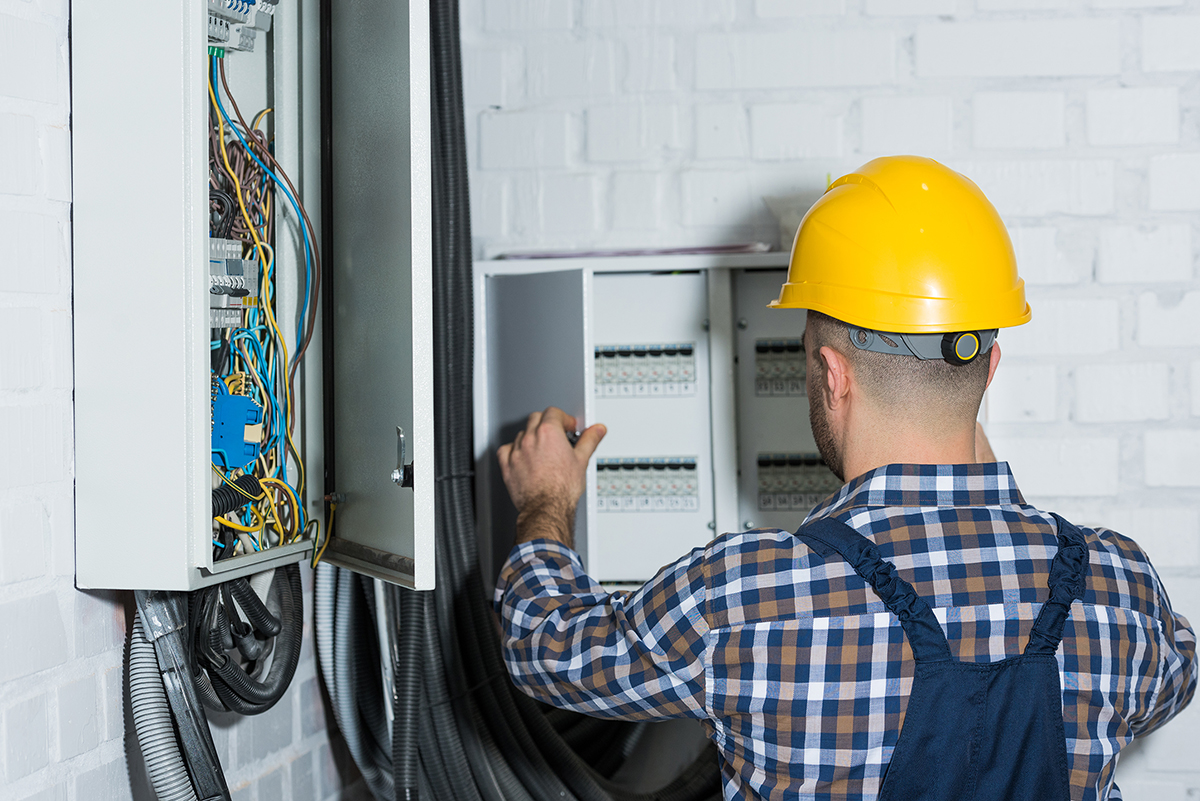
Why can a circuit breaker overheat?
The importance of a circuit breaker in good condition The circuit breaker is an essential component of your electrical installation. It protects your circuits against overloads, short circuits and fire hazards. However, when it overheats, it can indicate a serious problem that should never be ignored. Identifying the cause quickly can avoid potential dangers to …
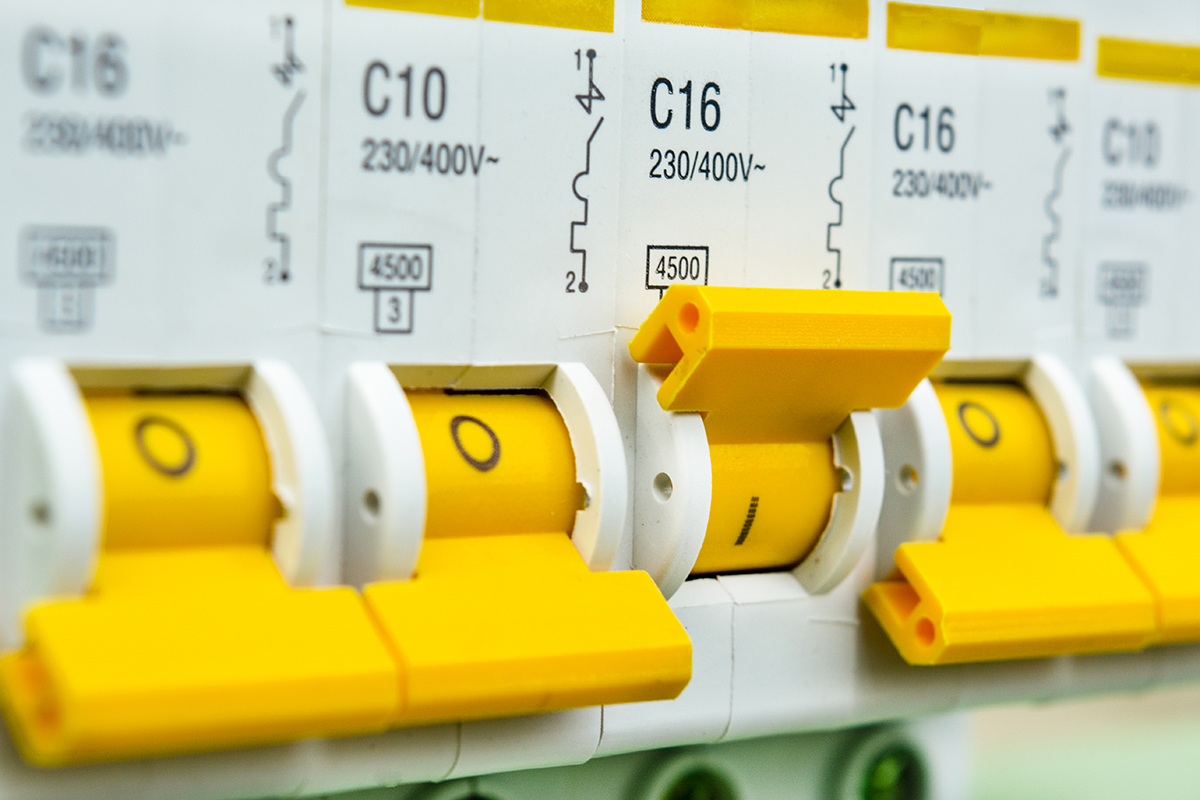
Steps to cut the power supply in an emergency
Why cut the power supply in an emergency? In the event of an electrical problem, such as a short circuit, an overheating appliance or a burning smell, cutting off the power supply is an essential step to ensure the safety of occupants and avoid risks such as fire or electric shock. Here are the steps …
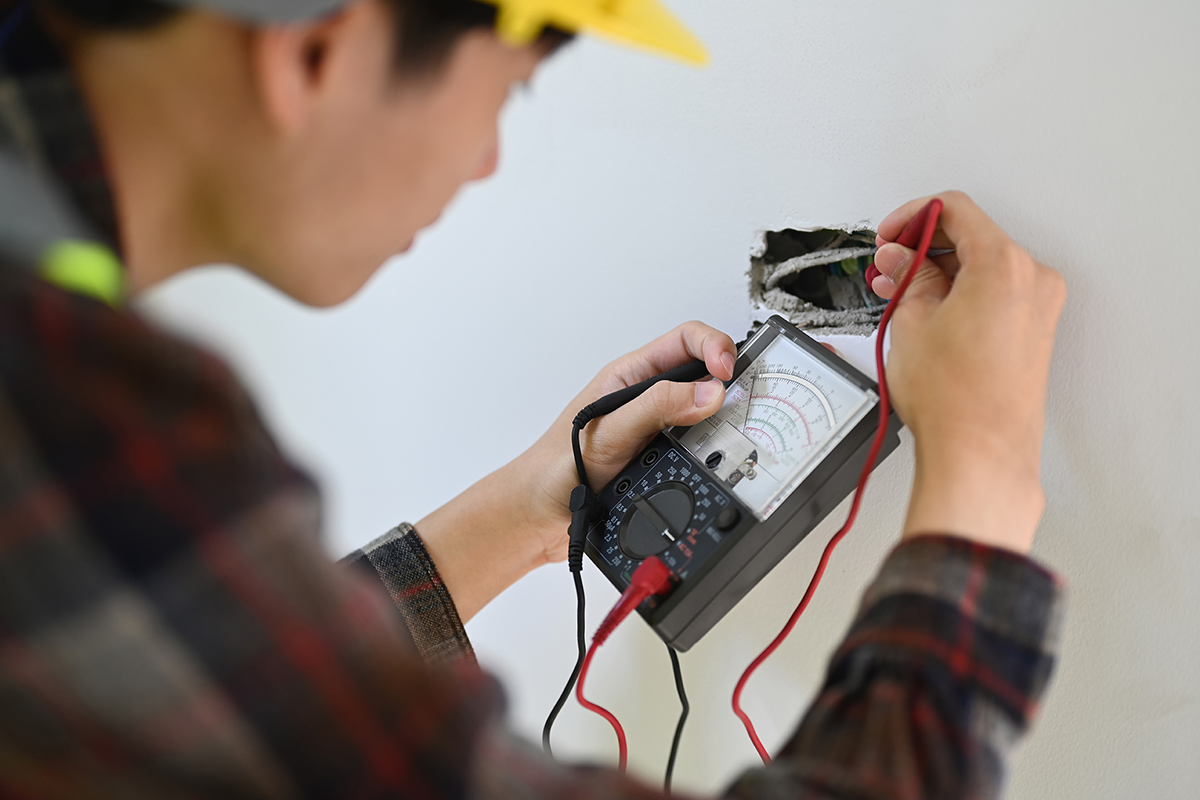
How to avoid power failures during bad weather
Why does bad weather cause power outages? Bad weather, such as thunderstorms, high winds, torrential rain or snowfall, can disrupt the power grid. These phenomena often lead to power surges, flooding or damage to power lines, which can result in prolonged outages. By taking the right precautions, you can protect your electrical installation and minimize …
Solutions for a crackling switch
Why is a crackling light switch a cause for concern? A switch that makes a crackling noise is never harmless. It may indicate a serious electrical problem, such as poor contact, faulty wiring or overloading. Ignoring this sign can lead to short-circuiting, overheating or even fire. Here’s how to diagnose the problem, and what to …
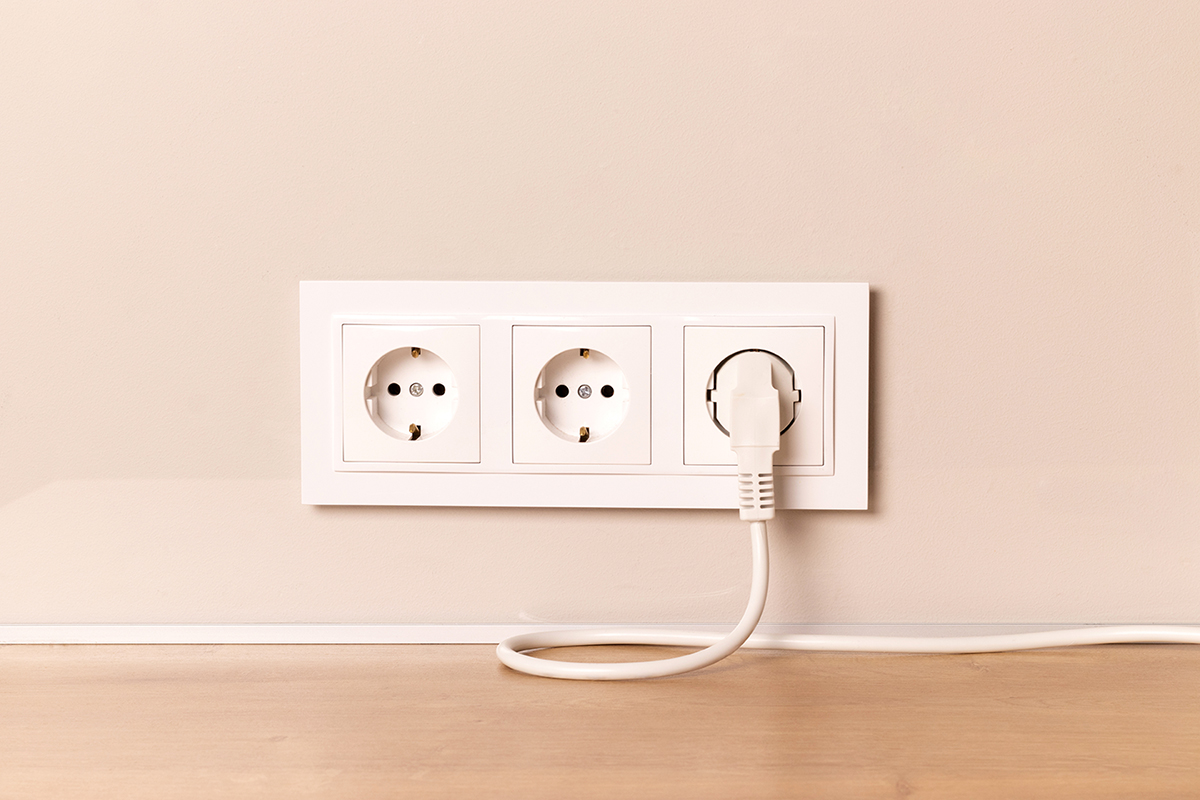
Precautions to take before repairing a faulty plug
Why take precautions before repairing a faulty plug? Even simple electrical work, such as repairing a plug, can be dangerous if the necessary precautions are not followed. A faulty plug can cause electric shocks, short circuits or even fires if mishandled. Here are the essential steps for working safely. Precautions to take before any intervention …
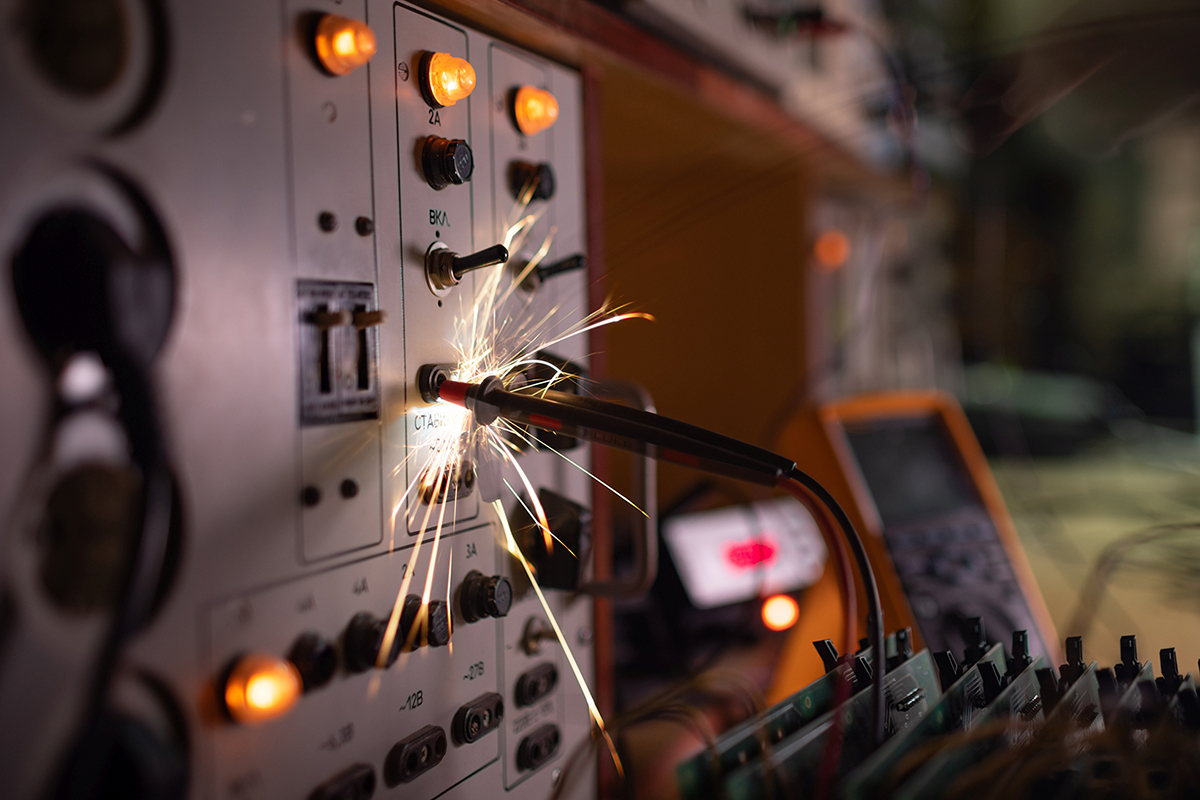
What to do in the event of electric shock
Why is it essential to react quickly in the event of an electric shock? An electric shock can have serious consequences, ranging from minor injuries to life-threatening complications such as cardiac arrest. Knowing how to react quickly and effectively is crucial to limiting the damage and protecting the victim. Steps to take in the event …
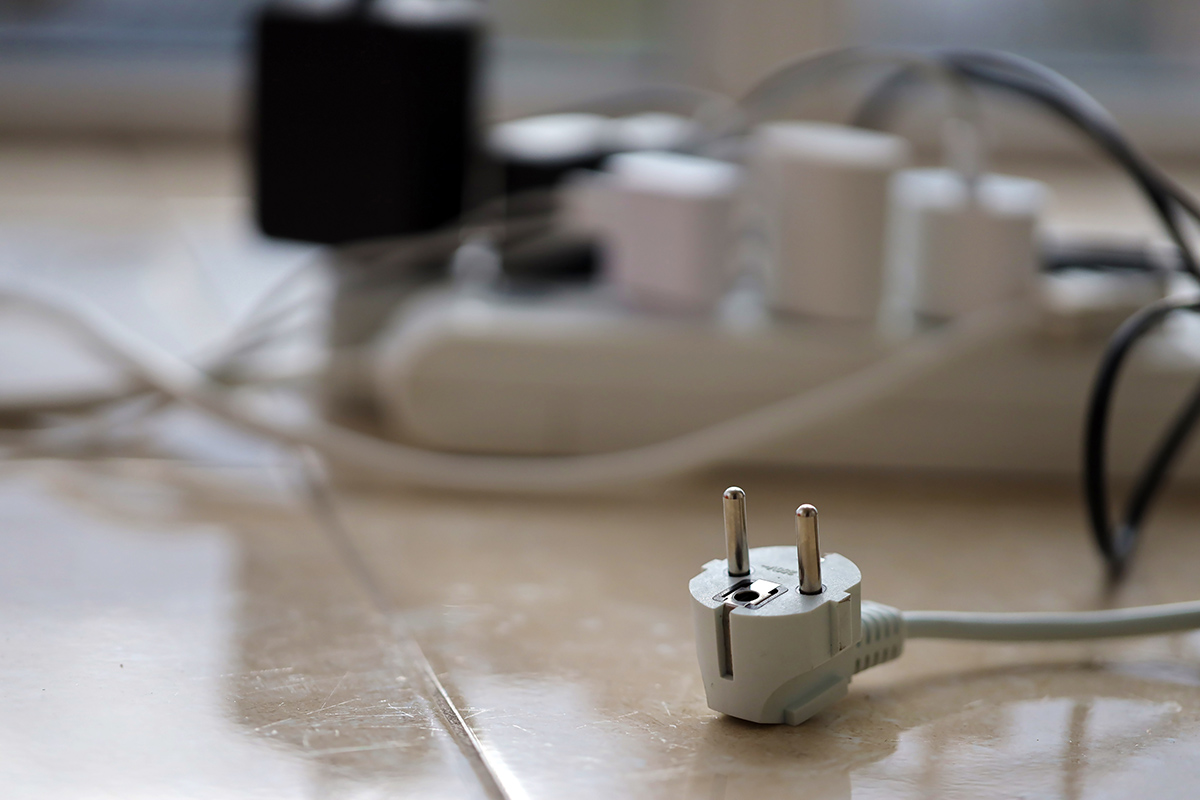
Common causes of electrical overloads in summer
Why are electrical overloads common in summer? Summer is a time when demand for electricity increases dramatically. Between the increased use of air conditioners, fans and appliances related to summer activities, your electrical installation can be put under strain. If left unmanaged, these overloads can lead to power cuts, property damage or even safety hazards. …

What to do in the event of a prolonged power cut?
Why can prolonged outages be problematic? A prolonged power cut can disrupt your daily routine, endanger your electrical appliances and even affect your safety. Whether it’s a network problem or a local outage, it’s important to know how to react to minimize the inconvenience and protect your home. Steps to take in the event of …
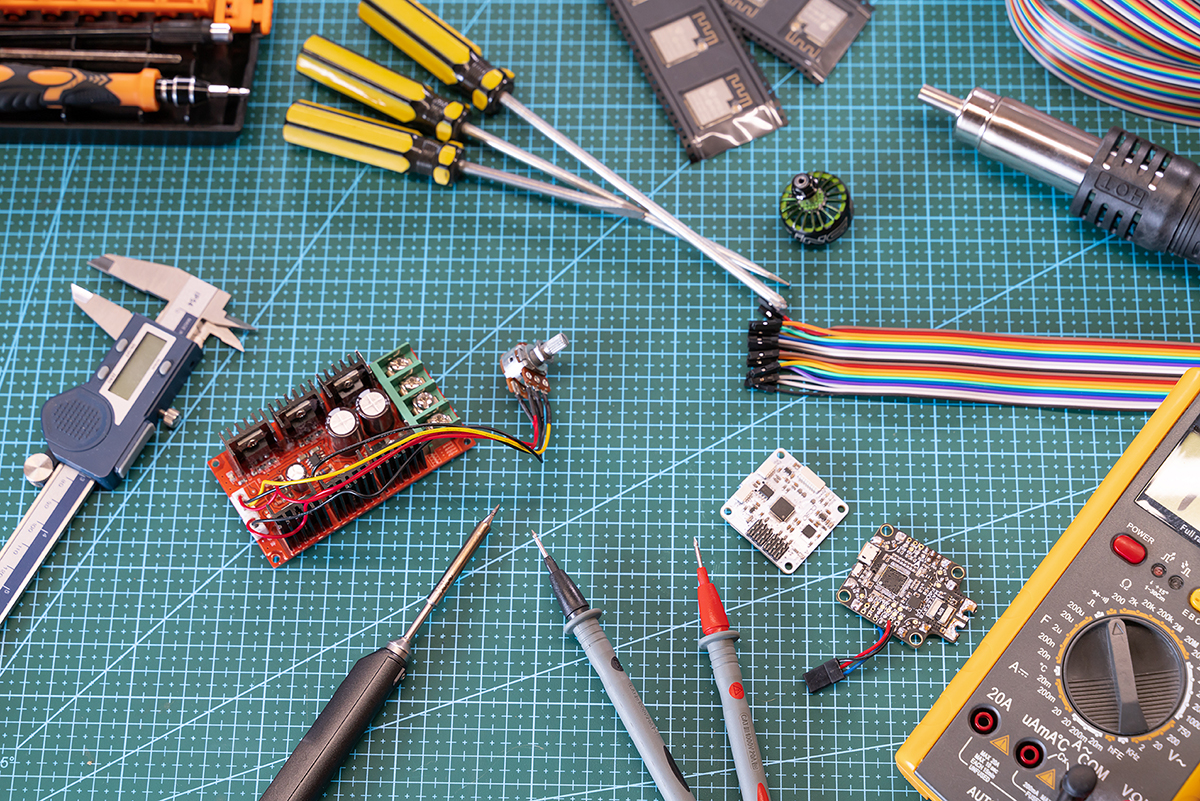
Equipment required for emergency electrical work
Why is the right equipment essential in an electrical emergency? An emergency electrical intervention requires specific tools and equipment to guarantee safe and efficient troubleshooting. This equipment enables the electrician to quickly identify the cause of the problem, carry out precise repairs and ensure a safe installation. Here are the main items of equipment a …


